


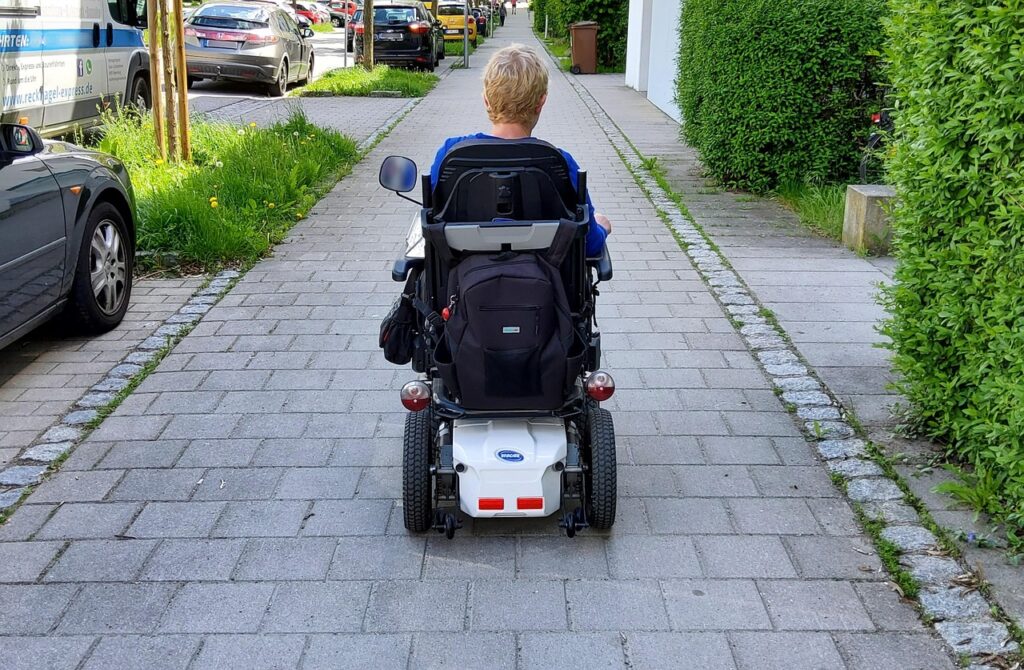
What degree of disability a patient is entitled to after a stroke depends on the extent of neurological damage and the degree of loss of independence. The assessment is made by medical examiners based on medical records and the patient's functioning in daily life. Determining the degree of disability is important When applying for benefits, rehabilitation and social support. In this article, we will discuss in detail the process of obtaining a ruling and the benefits available.
From this article you will learn:
- Early diagnosis and prevention - the key to reducing the effects of stroke
- What degree of disability after a stroke?
- Categories of degrees of disability
- How to apply for a disability certificate?
- Pensioner after stroke - benefits and relief available
- Pension for people after stroke
- Attendance allowance and benefit for those in need of care
- Access to rehabilitation
- Subsidy for rehabilitation equipment
- Social Security compensation for a stroke - how to get it?
- Application procedure and necessary documentation
- Possible difficulties and how to overcome them
- Summary
Are you interested in our article?
The Neuroport team works closely together to achieve the best possible rehabilitation outcome in terms of optimal physical and mental fitness for our patients.
Early diagnosis and prevention - the key to reducing the effects of stroke
In the context of a condition such as stroke symptoms , which should raise concern, include sudden weakness of one side of the body, speech disorders, dizziness or loss of consciousness. Early response and prompt implementation of treatment can limit neurological consequences. Knowledge of risk factors, such as causes of stroke - such as hypertension or heart disease - allows for effective prevention. In the event of a stroke, it is worthwhile to immediately begin efforts to establish, what degree of post-stroke disability can be awarded , to get the support they need as soon as possible.
What degree of disability can be obtained after a stroke?
Stroke is a serious condition that can lead to various degrees of disability. People who have had a stroke can apply for a disability rating, which is a key to getting the right benefits and support , such as transportation concessions, fee waivers and the right to additional vacation leave. In addition, a post-stroke retiree with the appropriate certification can have access to specialized medical care and rehabilitation, which is extremely important for improving the quality of life after such a health incident.
Categories of degrees of disability
Wondering what degree of disability after a stroke a claimant is entitled to? It is classified by county disability evaluation teams based on an assessment of the patient's condition and the impact of the stroke on daily functioning. There are three main categories:
- light disability - People with this degree are able to carry out most daily activities, but may need a little help or adaptation of the environment;
- moderate disability - Patients require more support in daily functioning. They may need help from a second person with some activities and access to specialized rehabilitation;
- severe disability - People with this degree of disability are usually completely dependent on the care of another person. This degree of disability is often associated with a severe reduction in independence and the need for constant care.
How to apply for a disability certificate?
Applying for a disability rating after a stroke requires submitting the relevant documents to county disability panels. The process involves several steps:
- collection of medical records - it is necessary to collect all documents confirming the state of health, including certificates from the attending physician, test results and medical history;
- submission - The application for determining the degree of disability shall be submitted on a special form available at the district disability assessment teams. Complete medical documentation must be attached;
- evaluation by the team - After the application is submitted, the patient is invited to a commission, during which specialists assess the degree of disability based on the documents submitted and direct examination of the patient;
- decision and ruling - Based on the committee's evaluation, the team issues a disability rating, which specifies the categories and any recommendations for further care and rehabilitation.
Retired after a stroke - what are you entitled to after a stroke?
Stroke is a serious condition that can significantly affect an elderly person's quality of life. Post-stroke retiree is entitled to a range of benefits and concessions , which are designed to support daily functioning and improve quality of life. Therefore, it is worth being aware of what you are entitled to after a stroke.
Pension for people after stroke
A retiree after a stroke can apply for a disability pension. This process requires an evaluation by a Social Security disability examiner, who determines the degree of inability to work . The pension can be granted for a fixed or indefinite period, depending on the patient's health. In addition to the pension, a post-stroke retiree has the right to continue receiving a pension. In some cases, if the ability to live independently is significantly reduced, it is possible to obtain additional forms of financial support , such as benefits or allowances.
Attendance allowance and benefit for those in need of care
Post-stroke individuals who require support in daily functioning can apply for attendance allowance . If a close retiree needs constant care after a stroke and the person caring for him or her has to give up work, you can apply for a attendance benefit . A prerequisite for this benefit is that the sick person has a severe disability certificate. The nursing benefit is an important financial support for caregivers who have given up work to provide round-the-clock care.
Access to rehabilitation
Post-stroke rehabilitation plays a key role In restoring fitness and adapting to new conditions that it brings life after stroke . Depending on the patient's condition, it can be carried out in the hospital, outpatient clinic or at home. Neurological rehabilitation includes both the early stage - starting immediately after the incident - and the secondary stage, lasting up to several years. In this context, the question often arises: how long does it take to rehabilitate after a stroke ? The duration depends on individual needs and the progress of therapy.
Subsidy for rehabilitation equipment
The elderly, including retirees, can apply for subsidies for the purchase of rehabilitation equipment, such as wheelchairs, crutches, walkers and anti-bedsore mattresses. Financial support is offered by District Family Assistance Centers and Municipal Social Assistance Centers, among others. The application should be submitted before the purchase - The reimbursement covers part of the cost, which is a significant relief to the post-stroke person's household budget.
How do I get Social Security compensation for a stroke?
The Social Security Administration offers compensation for a stroke in the amount of PLN 1033 for each percentage of injury. In order to receive Social Security compensation for a stroke, certain conditions must be met. First of all, the stroke must be related to the work performed. Otherwise, the claim for compensation may be rejected. However, it is worth trying to claim compensation, because each case is considered individually .
Application procedure and necessary documentation
To get Social Security compensation for a stroke, submit the appropriate application and provide the required documentation . It's a good idea to seek legal assistance to make sure all documents are properly completed and submitted. These include, among others:
- A certificate from a doctor about your health;
- full medical records;
- letter to determine the percentage of health impairment;
- witness statements;
- a protocol establishing the circumstances of the accident, which can increase the chances of a successful application.
Possible difficulties and how to overcome them
Obtaining compensation from Social Security for a stroke can involve some difficulties. Social Security may refuse to pay compensation if it determines that the stroke is not the result of a sudden event, but rather a long-term illness. In such a situation It's worth filing an appeal and providing additional evidence , which can confirm the relationship of the stroke to work. Each case is considered on a case-by-case basis, so it is worthwhile to seek legal assistance to prepare for possible difficulties. By doing so, you can increase your chances of getting the compensation you deserve.
Summary
A stroke is a difficult challenge, but there are ways to get the support and benefits you need. The key to recovery and normal functioning is knowing your rights and available options. If you or a loved one is struggling with the consequences of a stroke, don't delay - contact Neuroport and Start rehabilitation to return to full fitness as soon as possible .
Patient feedback
Average Rating
4,8


