


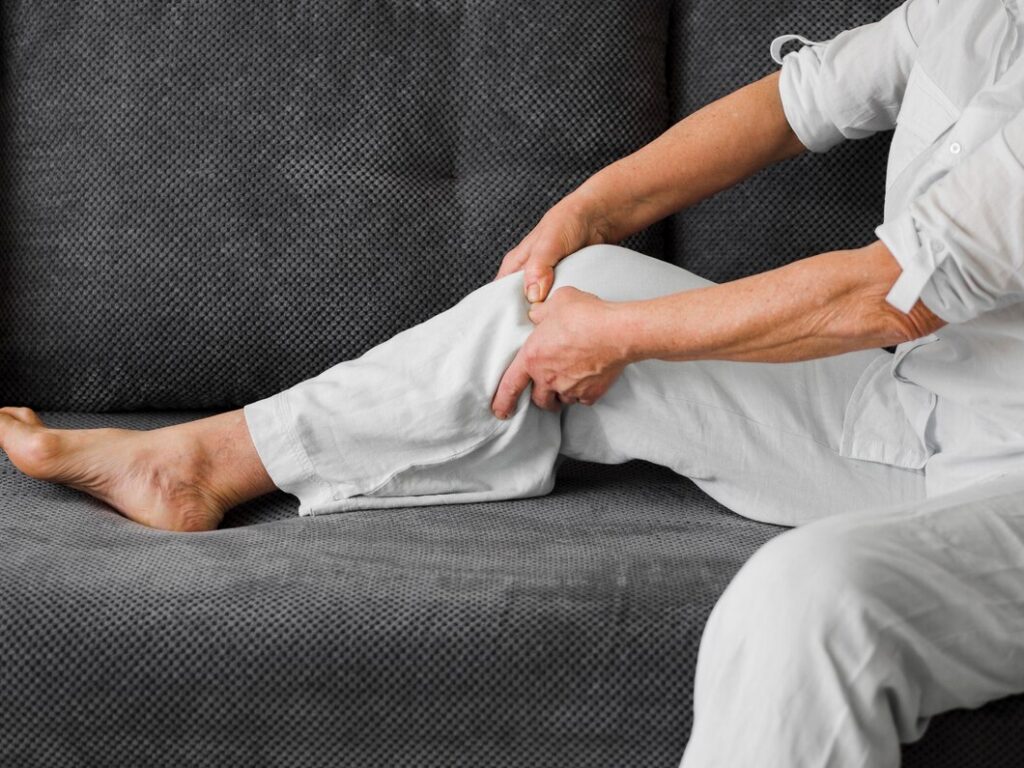
Wondering what not to do after a knee endoprosthesis? This type of surgery can restore hope for full fitness and comfort in life. However, the success of the whole process largely Depends on how the patient progresses during the recovery period. Avoiding certain activities minimizes the risk of complications and prolongs the healing process. In this article, we discuss the most important rules to follow after knee replacement to ensure lasting results and a safe return to activity.
From this article you will learn:
- What not to do after knee replacement - avoiding overexertion
- Limit long walking, standing and overloading
- Gradually increase physical activity
- Avoiding intense physical exercise
- What not to do after knee replacement - safe habits in daily activities
- What not to do after knee replacement - correct positions for rest and sleep
- What not to do after knee replacement - taking care of diet and lifestyle
- Avoiding alcohol and tobacco consumption
- Follow a diet rich in protein, vitamins and minerals
- Avoiding overheating
- Summary
What not to do after knee replacement - avoiding overexertion
After knee replacement surgery, it is extremely important to avoid overloading the new joint, especially in the initial weeks after surgery. Inappropriate loading Can lead to complications and delay the rehabilitation process. In this section, we will discuss what to avoid to promote proper healing of the knee joint.
Limit long walking, standing and overloading
What should not be done after knee endoprosthesis? In the first 2-3 weeks after knee endoprosthesis surgery, patients should avoid prolonged walking, standing and overloading the operated limb. These activities can lead to increased pain, swelling and delayed tissue healing. It is important that during this time Rest and give the knee joint time to recover. Walking aids, such as crutches, are recommended to minimize stress on the joint.
Gradually increase physical activity
Rehabilitation after endoprosthesis is individually tailored to the needs and capabilities of each patient. Physical activity must be gradually increased as recommended by the doctor and physiotherapist. Initially, patients should perform simple range-of-motion and strengthening exercises that do not put undue stress on the knee joint. It is important to After knee replacement surgery, avoid sudden movements, such as jumping or running, which can put undue stress on the knee joint. Such activities can lead to complications and delay the rehabilitation process.
Avoiding intense physical exercise
Intense physical exercise and heavy lifting are activities that should be avoided for several months after knee replacement surgery. Too much activity in the first weeks after surgery can lead to serious complications. Patients should therefore consult a doctor or physiotherapist to find out, When they can safely return to full activity.
What not to do after knee replacement - safe habits in daily activities
After knee replacement surgery, twisting movements, sudden changes in position and prolonged kneeling should be avoided. Daily activities, such as getting up from a chair or using the bathroom, should be done carefully, while maintaining the proper axis of the limb. It may be helpful to have a professional rehabilitation in Poznan, which teaches safe movement patterns and supports a return to fitness. Here are some additional tips on this, What not to do after a knee replacement, to ensure the best possible postoperative results:
- avoid kneeling on the operated knee - One of the most important recommendations is to avoid kneeling on the operated knee until it has regained its full range of flexion and muscle strength. Kneeling can cause excessive pressure on the new joint, which can lead to pain, swelling and even damage to the endoprosthesis;
- use stable footwear and avoid uneven ground - After knee replacement surgery, use stable footwear that provides adequate traction and support. Avoiding unstable and uneven ground is equally important to reduce the risk of falls, which can be dangerous to the new joint;
- Be careful on stairs and avoid overloading - what shouldn't you do after a knee endoprosthesis? Climbing and descending stairs should be done slowly, with a handrail and assistance from the healthy leg. Overloading can lead to complications, pain and slower healing. In addition, crossed legs and prolonged standing or sitting in one position should be avoided.
What not to do after knee replacement - correct positions for rest and sleep
One of the key recommendations after knee replacement surgery is to avoiding sleeping on your side On the side of the operated leg for the first two weeks. This position can put additional pressure on the knee joint and delay the healing process. Patients should try to sleep on their back or side on the healthy side to prevent undue stress on the new joint. Also, remember to:
- do not place a pillow or roller under the operated knee while sleeping - After knee replacement surgery, do not put a pillow or roller under the operated knee while sleeping. Such action can lead to the development of flexion contractures, which make it difficult to fully straighten the knee joint. It is important that the knee remains in its natural, upright position to promote proper healing and prevent complications;
- avoid sleeping on your stomach - Sleeping on the stomach is strongly not recommended after knee replacement surgery, as this position can lead to excessive pressure on the new joint. To avoid additional stress and potential complications, patients should choose positions that minimize pressure on the knee, such as sleeping on their back or on their healthy side.
What not to do after knee replacement - taking care of diet and lifestyle
Recovering from knee replacement surgery requires not only proper physiotherapy, but also attention to proper diet and lifestyle. Proper eating habits and avoidance of harmful substances can definitely accelerate the healing process and improve the overall condition of the knee joint. Similar recommendations apply to such a procedure as shoulder joint endoprosthesis.
Avoiding alcohol and tobacco consumption
After knee endoprosthesis surgery, alcohol consumption and smoking should be strictly avoided. These substances can negatively affect the healing process, leading to delays and complications. Alcohol reduces the effectiveness of painkillers and anti-inflammatory drugs, and also increases the risk of bleeding. Tobacco, on the other hand, reduces blood flow to the tissues, making it more difficult to deliver oxygen and nutrients necessary for recovery.
Follow a diet rich in protein, vitamins and minerals
Proper diet after knee replacement surgery plays a key role in the recovery process. It is recommended to eat meals rich in protein (eggs, fish, lean meat, legumes), which supports tissue and muscle recovery. Vitamin C (citrus fruits, peppers, broccoli) accelerates wound healing, a vitamin D (fatty fish, eggs, enriched products) and calcium (milk, yogurt, cheese, green leafy vegetables) strengthen bones. It is also important to provide adequate amounts of minerals, such as zinc (nuts, seeds, whole grain cereal products) and magnesium (nuts, seeds, bananas, avocados), which are essential for joint and bone health.
Avoiding overheating
After knee replacement surgery, regular cooling of the operated area is crucial in reducing swelling and pain. Application of cold compresses for 15-20 minutes several times a day Can provide relief and aid the healing process. However, overheating the operated knee should be avoided, as heat can aggravate swelling and inflammation. Hot baths, saunas and direct sunlight on the operated joint are contraindicated in the first weeks after surgery.
Summary
After knee replacement, it is crucial to avoid overloading the joint, sudden movements and abnormal gait patterns. Improper habits can lead to complications, pain or prolonged recovery time. A conscious approach to recovery will allow you to return to full fitness faster and minimize the risk of complications. Professional rehabilitation significantly supports the process of recovery. Take advantage of the comprehensive support of specialists of Neuroport - Neurological and Orthopedic Rehabilitation Center to safely return to daily activities.
Are you interested in our article?
The Neuroport team works closely together to achieve the best possible rehabilitation outcome in terms of optimal physical and mental fitness for our patients.
Patient feedback
Average Rating
4,8


