


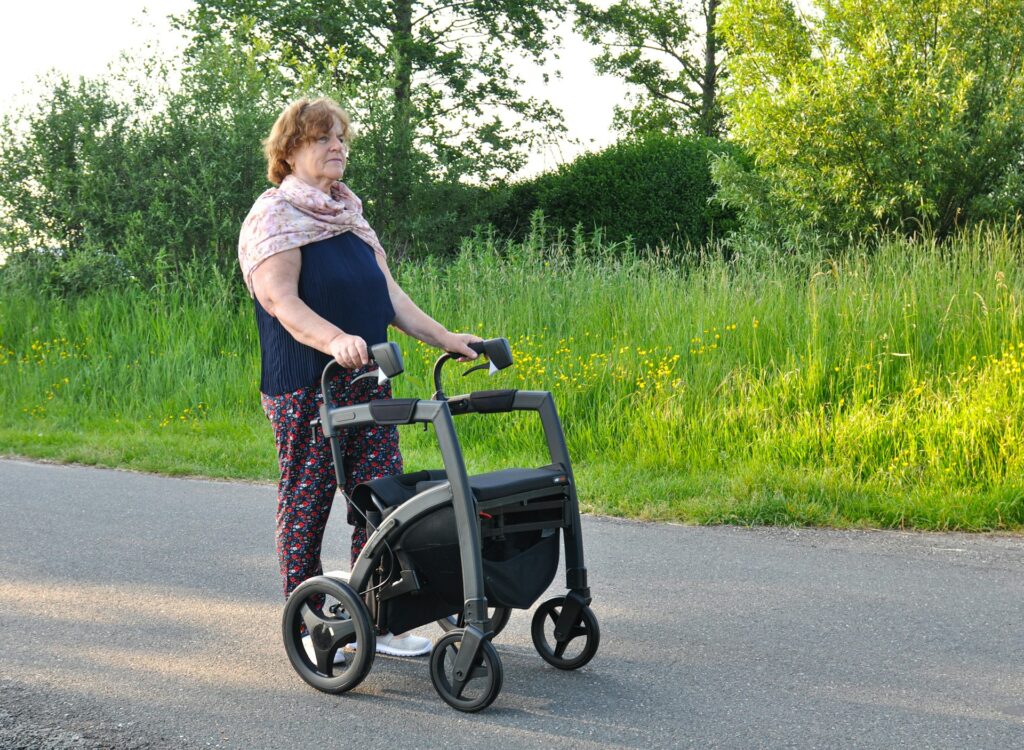
If you're wondering how to live with Parkinson's disease, diet is playing an increasingly important role in the approach to treating and slowing the progression of this chronic neurodegenerative disease. The right lifestyle, including proper nutrition, can support nervous system function, reduce side effects of pharmacotherapy and improve overall well-being. In this article, we provide practical dietary recommendations, suggest how to take care of your lifestyle, and discuss what to avoid with Parkinson's disease to improve daily functioning.
Table of Contents:
- Parkinson's disease diet - why does nutrition matter?
- What should the diet in Parkinson's disease look like?
- Parkinson's disease what to avoid - products and habits that do harm
- Parkinson's prevention - the role of lifestyle and physical activity
- How to plan a day with Parkinson's disease? Practical tips
- Summary
Parkinson's disease diet - why does nutrition matter?
Parkinson's disease diet is a topic that has gained prominence with the growing understanding of neurodegenerative mechanisms. Properly composed menu not only supports neuronal functionbut also helps control symptoms such as constipation, fatigue and mood swings. One of the main problems in people with Parkinson's disease is impaired dopamine metabolism. Diet can support neurotransmitter production, alleviate micronutrient deficiencies and optimize the effects of dopaminergic drugs. That's why it makes sense to consciously compose meals and plan activities in such a way as to improve the patient's comfort.
What should the diet in Parkinson's disease look like?
The diet in Parkinson's disease should be balanced, rich in antioxidants and fiber, and tailored to the individual patient's needs. Its purpose is to support bowel function, prevent vitamin deficiencies and avoid interactions with medications. In addition, helps alleviate common side effects of treatment and improve overall well-being. It is also important to maintain adequate hydration and protein supply at appropriate times of the day. In practice, this means:
- Regular consumption of vegetables and fruits rich in vitamin C, E and beta-carotene;
- reaching for whole-grain cereal products and fermented dairy products;
- Supplementing levels of vitamin D and omega-3 fatty acids;
- Avoiding excess saturated fats and simple sugars.
Keep in mind that certain ingredients - especially protein - can affect the absorption of levodopa. So it's worth consulting the timing of your meals with your doctor or nutritionist. A personalized approach is particularly important in the context of a comprehensive Parkinson's treatment, which often also includes pharmacotherapy and rehabilitation.
Parkinson's disease what to avoid - products and habits that do harm
Being aware of what to avoid with Parkinson's disease is as important as knowing what to include in your diet. Certain foods or habits can not only worsen the neurological condition, but also reduce the effectiveness of medications or exacerbate side effects. Proper eating habits and lifestyle allow better control of symptoms and support the effect of therapy. Some of the most frequently cited risks include:
- Excess protein during the hours of taking levodopa - interferes with its absorption;
- Too little fiber - leads to constipation and digestive disorders;
- Highly processed products - can increase oxidative stress in the body;
- Alcohol - disrupts neurological balance and exacerbates motor symptoms.
It is also recommended to limit caffeine intake and avoid long breaks between meals, which can lead to hypoglycemia and energy drops. Individual food tolerance can vary - so regular consultation with a nutritionist is crucial.
Parkinson's prevention - the role of lifestyle and physical activity
Although Parkinson's disease is mainly associated with irreversible changes in the nervous system, growing evidence suggests that the way we live can realistically affect the rate of its progression. Early prevention - even before symptoms appear - plays a key role in preserving function for longer. Proper habits, especially those related to daily movement and social relationships, support brain function and inhibit the worsening of neurodegenerative symptoms. Therefore, Prevention should include measures that can be implemented in any daily routine, such as:
- Regular physical activity - such as walking, Nordic walking, swimming;
- Coordination and breathing exercises;
- Maintaining social contacts and intellectual stimulation;
- Taking care of sleep hygiene and stress reduction.
Such activities not only improve overall fitness, but also support cognitive function and stabilize mood. Modern approaches to therapy also take into account neuroplasticity - the brain's ability to reorganize - which can be stimulated precisely by an active lifestyle. In professional centers modern treatments for Parkinson's combine physical rehabilitation, neuropsychology and dietary interventions.
How to plan a day with Parkinson's disease? Practical tips
A Parkinson's disease patient's daily routine should be based on regularity, simplicity and predictability. A set daily schedule helps reduce anxiety, improves the effectiveness of therapy and facilitates cooperation with caregivers. Implementing a routine also helps to better respond to fluctuations in symptoms, maintain a sense of control over daily activities and increase the patient's independence. Even the small rituals of the day can significantly improve the comfort of. In planning, it is worth considering:
- Morning stretching exercises and a short walk;
- A balanced breakfast with a small amount of protein if levodopa is taken;
- time to rest during the day;
- Manual exercises or creative activities in the afternoon.
It is also worth including advice from a team of specialists - neurologists, nutritionists, physiotherapists and psychologists. A comprehensive approach is especially important for complex conditions, such as neurological conditions, which require interdisciplinary cooperation.
Summary
Parkinson's disease requires not only pharmacological support, but also nutritional and behavioral support. Adequate daily rhythm, physical activity and avoidance of harmful products are important elements to support the effectiveness of therapy. Diet in Parkinson's disease should not be treated as a rigid list of prohibitions, but as a tool to improve daily functioning and comfort. If you are looking for comprehensive neurological care, we encourage you to take advantage of the experience of the Neuroport team. We combine modern treatment methods with an individual approach to the patient, supporting him at every stage of treatment - from diagnosis, to treatment, to rehabilitation and dietetics.


